 The Ritual Facilitator
© 1977-2021 Antero Alli
.
The Ritual Facilitator
© 1977-2021 Antero Alli
.
Notes on Set and Setting
This group ritual work has almost always functioned with a Ritual Facilitator as an impartial witness who does not participate in the actual rituals but serves the group as a ritual catalyst. Sometimes, when a given individual becomes adept enough in the work processes, they can join the group on the floor while also acting as Facilitator.
THE SET (mindset)
The role of the facilitator is not a director, or a teacher, or a guru, or a therapist. The facilitator is more like a group's "third eye” , perceiving the innate dynamics of each session of group work and then, verbalizing simple suggestions for amplifying the existing group dynamics and presenting objectives that each person fulfills in their own way.
THE SETTING (workspace)
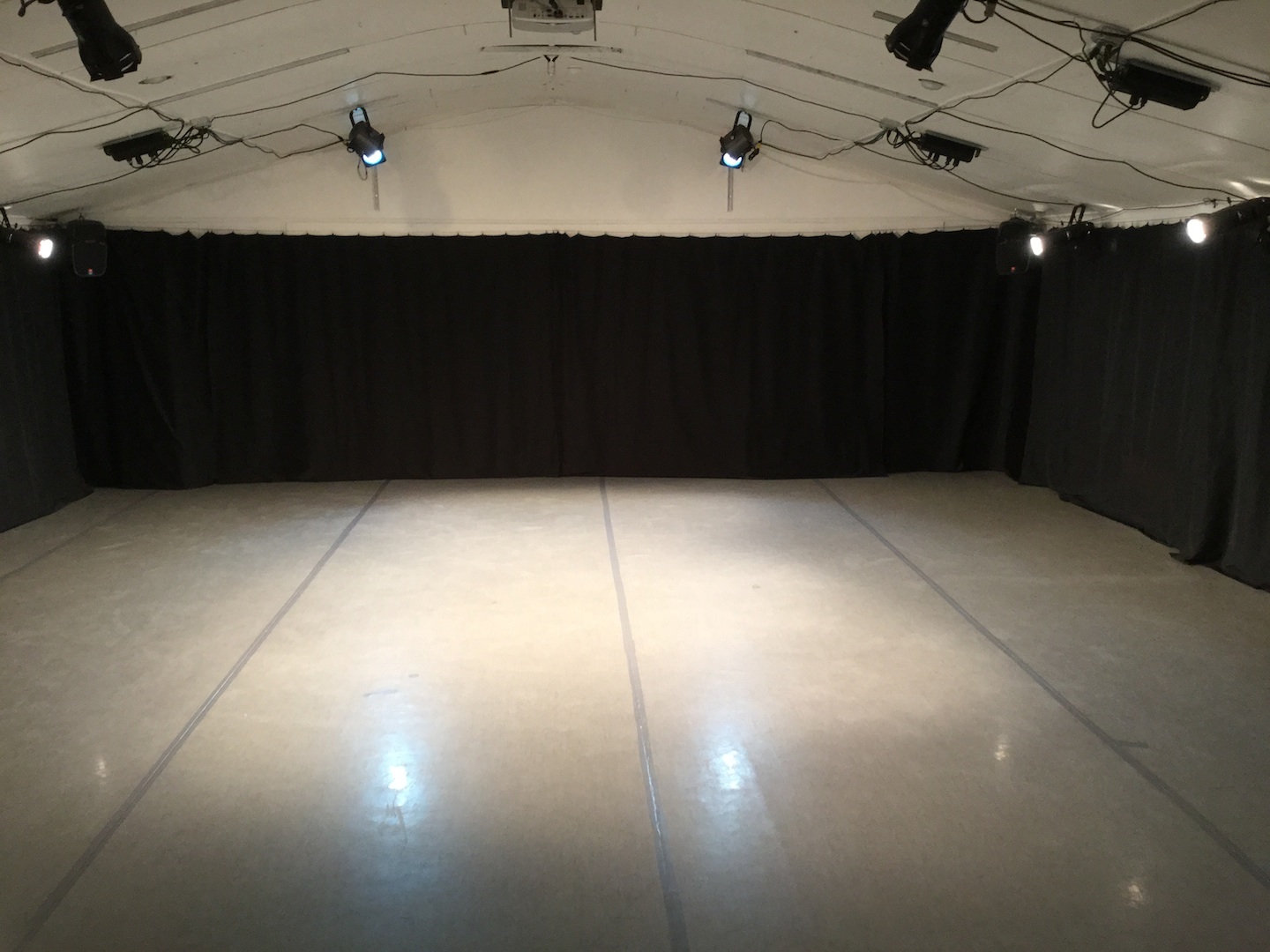
This work process does best under low lighting. Sometimes three of four candles, lanterns, or low wattage bulbs can be enough. About 1000 square feet of open floor space is required for a group of six to twelve (figure 100 sq. ft per person). Wood floors and sprung floors such as those in dance and yoga studios are best; cement floors can damage ankles and knees when jumping, leaping, and jogging. The workspace should be free of external interruptions from anyone or anything outside of the group. Unless rehearsing for a live performance, any recorded or live music or percussion can distract from the work of depending on internal sources for animating expression of sources. Noise is best kept at a minimum; a quiet setting works best.
Guidelines for group work
OBSERVING THE EXISTING CONDITIONS
Certain powers of observation are necessary to detect the present-time moods, needs, resistances, and the overall spirit embodied by any given group during each session. These observations begin the moment participants enter the space and start moving about. The five-phase physical warm-up cycle presents a good time to observe individual and group levels of commitment and energy, or lack thereof, to see which methods and ritual forms to introduce after the Warm-up -- based on the commitment levels demonstrated in the warm-up. The higher the commitment shown in the Warm-up, the more ready the group may be to engage ritual sources of greater charge, depth, and difficulty. The more grounded they are, the higher they can fly.
DON’T SPEAK BEFORE OBSERVING
During the work session, participants experience the facilitator as a disembodied voice. Avoid suggestions that spell things out or define things too much or that require thinking. Participants want to have an experience, not an explanation. Keep your suggestions simple, direct, and somewhat open-ended. Allow space between suggestions; participants need time to discover their own responses and inner processes. If you're tense, relax. Participants already carry enough resistance without having to also feel yours. The ongoing group dynamics undergo their own changes. At any moment, be ready to adjust your suggestions to the influx of new information. When in doubt, don't speak.
TRANSITIONS
Individuals in the group will sometimes but rarely end each stage of the work session at the same time. After finishing with a source, the group returns to No-Form; some will finish sooner, others later. Pay attention to these transitions between each objective and ritual you suggest. Transitions can tell you what ritual or objective the group might be ready for or, not ready for. Noting transitions can help you sequence, or layer, the rituals more harmoniously, so each stage of the session supports the next one.
SOURCE WORK
Any source presented in this paratheatrical work is posited as an existing condition, meaning, as if the source already exists within us. This approach minimizes cultural concepts and beliefs about whatever source is presented while supporting a more direct experience of the source energy itself. Proceeding as if the source already exists can help stop the mental hijacking of experience with preconceptions.
CULTIVATING A LACK OF SELF-INVESTMENT
Energetic dynamics are constantly percolating beneath the threshold of any group and individual consciousness. The facilitator must know how to perceive these subterranean currents (see next paragraph, “The First and Second Attentions”). Start by relaxing "self-investment". If you are too personally invested in outcomes, participants will pick up on it and may resist your suggestions. You are there to support their involvement, not yours. The facilitator acts as a ritual catalyst; a catalyst doesn’t undergo the same changes as the catalyzed.
THE FIRST AND SECOND ATTENTIONS
The first attention refers to that awareness linked to language, thinking and the assignment of labels and meanings; the first attention creates interpretations of what is perceived. The second attention acts as that awareness linked to presence, energy, and phenomena without interpretation or labels. Your words and phrases can better serve the situation when first attention can be trained to follow the dictates of the intuition of second attention; let the situation be the boss. Without the second attention, effective facilitation in this medium may not be possible. Click this for more on the first and second attentions.
THE FINAL RITUAL OF EACH SESSION
This work activates the energetic body; the sympathetic function of the Central Nervous System (CNS) becomes stimulated and "lit." At the end of each session, suggest a final ritual that supports a cooling off process, rather than one that leaves everyone hopped up and wired. Restoring this balance and equilibrium activates the parasympathetic function of the CNS. A longer, deeper No-Form helps diffuse the effects of highly charged rituals. Better to end cool than hot.
ON THE ENDING GROUP CIRCLE
The sitting group circle that ends each Paratheatre session provides an opportunity to check in, share notes, and voice perceptions. After a particularly charged ritual, participants may be silenced by what happened; don't press them to talk. Those who are ready to talk, will speak. The aim of the group circle is to simply report what happened and provide an opportunity to find language for in-depth intuitive experiences. If someone starts espousing philosophies and theories about their experiences, gently nudge them back to their actual experience, i.e., "What happened to you ?" "How did you relate to what happened ?" Though philosophical discourse and psychoanalysis have their place, they tend to distance and abstract us from our initial experiences. Be Here Now.